No products in the cart.


For years, many women have been told that tiredness, weight changes, weaker muscles, poor sleep and aching joints are simply part of getting older. We may feel that our body is no longer responding in the same way, so we try to eat less, exercise harder or push ourselves through exhaustion.
But what if the answer is not more punishment? What if we need to start connecting the dots and giving the body the right signals?
After 50, and particularly during and after menopause, changes in oestrogen can influence muscle mass, bone health, body composition, sleep and the way we recover from exercise. These changes are real, but they do not mean that we are powerless. The way we move, the food we eat and the nutrients we provide all communicate with the body. Small choices, repeated consistently, can help us feel stronger, steadier and better supported.
Signal One: Movement Tells the Body to Stay Strong
Movement is not simply about burning calories. Every time we use our muscles against resistance, we send the body a message that those muscles are still needed.
This is why strength and resistance-based movement becomes particularly valuable as we age. It does not have to mean lifting very heavy weights or exhausting ourselves in the gym. Pilates, resistance bands, body-weight exercises, carefully chosen weights and even movements such as controlled squats or rising from a chair can all challenge the muscles.
Walking remains wonderful for the heart, circulation, mood and general health, but walking alone may not provide enough resistance to preserve muscle. Ideally, it should be combined with some form of strengthening activity. The World Health Organization recommends muscle-strengthening activities involving the major muscle groups on at least two days each week, while also reminding us that every amount of movement counts.
Personally, I enjoy combining walking with Bar Pilates and short sessions on my mini trampoline. I am not trying to punish my body. I am looking for enjoyable ways to work on strength, balance, mobility and consistency. Some days I can do more and other days I need something gentler. Both still count.
Signal Two: Protein Provides the Building Materials
Exercise creates the signal, but the body also needs the materials required to respond to it. Protein supplies amino acids, which are used to maintain and repair muscles and many other tissues.
It is easy to eat most of our protein at dinner and very little earlier in the day. Instead, I try to include a meaningful source of protein at each meal. Eggs, Greek yoghurt, cottage cheese, fish, chicken, lean meat, tofu, lentils and beans can all contribute. A protein-rich breakfast may be as simple as eggs with vegetables, Greek yoghurt with seeds and berries, or overnight oats made with yoghurt and added protein.
The Menopause Society advises women in midlife to pay attention to adequate protein, alongside regular resistance exercise, to help preserve muscle as they age. Individual needs vary according to body size, activity, health and kidney function, but the important practical point is to spread good-quality protein across the day rather than leaving nearly all of it until the evening.
Protein is not about becoming bulky. Muscle supports movement, balance, bone health, metabolic health and independence. Preserving it is one of the most valuable investments we can make in our future.
Signal Three: Omega-3 Supports the Environment Around Our Cells
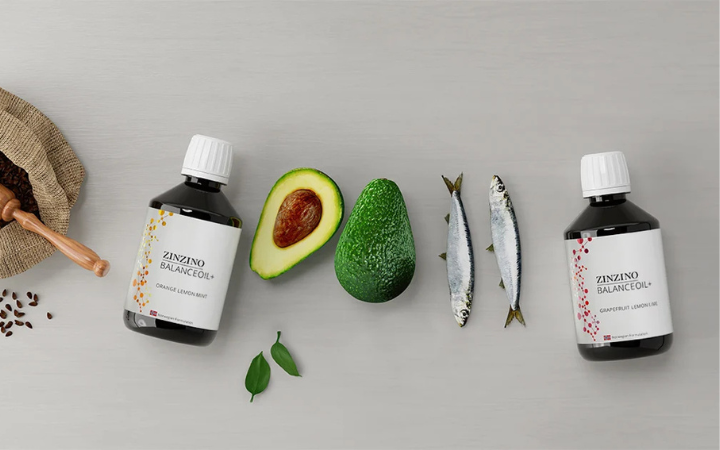
Omega-3 fatty acids are another part of the picture. EPA and DHA are found mainly in oily fish and seafood, and they form part of cell membranes throughout the body. They contribute to normal heart function, while DHA also contributes to the maintenance of normal brain function.

Food should come first wherever possible. Sardines, salmon, mackerel, herring and anchovies are useful sources. Plant foods such as chia seeds, flaxseed and walnuts provide ALA, another omega-3 fatty acid, although the body converts only a limited proportion of ALA into EPA and DHA.
For someone who rarely eats oily fish, a suitable fish-oil or algae-based supplement may be worth considering. Quality, freshness, the amounts of EPA and DHA, personal medication and individual needs all matter.
More is not automatically better, and anyone taking blood-thinning medication, preparing for surgery or managing a medical condition should seek professional advice before starting a higher-dose omega-3 supplement.
I personally use a test-based approach because I prefer to understand my fatty-acid balance rather than guess. It allows me to make a more individual decision and then reassess whether the approach is working.
The Dots Work Together
Movement, protein and omega-3 are not isolated tricks. They work as part of a much bigger picture that also includes sleep, stress, fibre, hydration and everyday food choices.
Movement gives the muscles a reason to remain strong. Protein provides the amino acids needed to maintain and repair them. Omega-3 provides important fatty acids used throughout the body. Sleep and recovery give the body time to respond.
This is why doing one thing perfectly for a week rarely changes everything. The body responds to patterns. Ten minutes of movement repeated regularly can matter more than one punishing workout followed by exhaustion. Adding protein to breakfast each day can be more realistic than trying to follow a restrictive diet. Eating oily fish regularly, or choosing an appropriate supplement when needed, is more meaningful than chasing the latest health trend.
Start With One Small Change
You do not need to change everything tomorrow. Choose one signal to improve this week. Add a protein-rich breakfast, include two short strength sessions, take a daily walk or look honestly at how often you eat oily fish.
After 50, the aim is not to fight the body. It is to understand it, support it and work with it. When we connect the dots, ageing stops looking like a list of things we are losing and starts becoming an opportunity to build strength, knowledge and confidence.
This is what I am learning, and what I am putting into practice myself.
If you would like to know more about the movement I do, how I increase my protein or the omega-3 and testing approach I use, contact me and write CONNECT. I will be happy to share more information and help you decide what may be appropriate for you.
For educational purposes only. This article is not medical advice and is not intended to diagnose, treat or prevent any medical condition. Individual needs differ, particularly when medical conditions or prescribed medicines are involved.
With love,
Sonata 💛
Sonata Rapalytė Taylor
Nutritional Advisor
🌐 www.nutritional-balance.com
✉️ info@nutritional-balance.com
📱 Instagram: @wellnesswithsonata
© Nutritional-Balance. Written by Sonata Rapalytė Taylor.
Sources
● World Health Organization: Physical activity