No products in the cart.


Fatigue, headaches, disturbed sleep, low mood, bloating and palpitations are commonly described as “hormonal.” Sometimes that explanation is correct—but it may not tell the whole story.
Hormonal changes and nutritional status affect many of the same body systems, including energy production, brain signalling, temperature regulation, blood formation, muscle function and sleep. Consequently, a hormonally driven symptom can coexist with iron deficiency, low vitamin B12, inadequate protein intake or another health issue.
This does not mean that nutritional deficiencies cause PMS, perimenopause or menopause. It means we should avoid assuming that every new symptom is caused by hormones alone.
Before a period: why symptoms can change
Following ovulation, progesterone rises and oestrogen changes again. Both hormones then fall as menstruation approaches.
This normal hormonal movement may influence mood, appetite, body temperature, sleep, bowel function, fluid balance and susceptibility to headaches. Some women notice only mild changes, while others experience substantial tiredness, bloating, cravings, anxiety, poor sleep or migraine.
However, these symptoms are not unique to the menstrual cycle. Fatigue, dizziness, headaches, breathlessness and noticeable heartbeats can also occur with iron-deficiency anaemia. This is why the timing, severity and complete pattern of symptoms matter.
Rather than automatically taking several supplements, consider whether there are reasons to discuss the following with a qualified healthcare professional:
- Full blood count and iron status, particularly with heavy periods
- Vitamin B12 and folate where symptoms or dietary risks suggest a need
- Vitamin D where deficiency risk is present
- Thyroid function, because thyroid symptoms may overlap with hormonal symptoms
- Overall protein, energy and micronutrient intake
- Sleep, stress, hydration and blood-glucose patterns
Tests should be selected according to symptoms, medical history, diet and risk factors—not ordered as an identical package for every woman.
Perimenopause: fluctuation rather than a smooth decline
Perimenopause is not simply a gradual reduction in oestrogen.
Ovulation becomes less consistent, progesterone production becomes less predictable and oestrogen can fluctuate considerably. Periods may become more or less frequent, and bleeding may become heavier or lighter. Eventually, periods stop. The NHS describes changing periods as one of the first common signs of perimenopause.
During this transition, women may experience:
- Hot flushes and night sweats
- Poor sleep
- Changes in mood or anxiety
- Brain fog
- Headaches or migraine
- Fatigue
- Palpitations
- Muscle or joint discomfort
- Changes in body composition
- Heavier, longer or less predictable bleeding
These can be genuine perimenopausal symptoms. However, if periods become heavier or last longer, additional blood loss may place greater pressure on iron stores.
Iron-deficiency anaemia can cause tiredness, headaches, breathlessness and noticeable heartbeats—symptoms that can easily be attributed entirely to perimenopause. The NHS lists these among the recognised symptoms of iron-deficiency anaemia.
This is why persistent fatigue, dizziness, breathlessness, declining exercise tolerance or palpitations deserve proper assessment rather than automatic reassurance that they are “just menopause.”
After menopause: symptoms still deserve investigation
Menopause is reached after 12 consecutive months without a menstrual period. Oestrogen and progesterone remain substantially lower, and symptoms such as hot flushes, sleep disruption, brain fog and changes in body composition may continue.
Yet menopause does not prevent other health problems from developing. Persistent fatigue, weakness, low mood, aches, poor exercise tolerance or cognitive changes may warrant a broader clinical assessment.
Depending on the individual, a healthcare professional may consider:
- Full blood count and iron studies
- Vitamin B12 and folate
- Vitamin D
- Thyroid function
- Blood-glucose markers
- Medication effects
- Sleep quality and possible sleep apnoea
- Dietary protein and total energy intake
Iron deficiency that develops after periods have stopped should not simply be treated indefinitely without investigating its cause. Menstrual blood loss can no longer explain it.
Any bleeding after menopause should always be medically assessed. The NHS advises that postmenopausal bleeding needs to be checked.
Build strong nutritional foundations

Supplements cannot replace an investigation, but good nutrition supports the body throughout every hormonal stage.
Useful foundations include:
- Adequate protein distributed throughout the day
- Iron-rich foods, accompanied by vitamin C-rich vegetables or fruit
- Foods supplying vitamin B12 and folate
- Oily fish and other sources of omega-3 fats
- My favourite: https://nutritional-balance.com/product/balanceoil-lemon-300ml/
- A wide variety of vegetables, legumes, seeds and whole grains
- Prebiotic and fermented foods, where tolerated
- My favourite: https://nutritional-balance.com/product/zinobiotic-180g/
- Fermented drink for every day: https://nutritional-balance.com/product/water-kefir-grains-5g/
- Adequate hydration and regular meals
- Resistance exercise to support muscle and bone health
Iron should not be taken long-term simply because fatigue is present. Too much iron can also be harmful, so supplementation should be guided by appropriate assessment.
Optional nutritional resources
If you would like additional support alongside a balanced diet, you can read more about:
- My approach to omega-3 intake and testing:https://nutritional-balance.com/product/balanceoil-lemon-300ml/
- Increasing prebiotic fibre gradually: https://nutritional-balance.com/product/zinobiotic-180g/
- Optional daily multinutrient support: https://nutritional-balance.com/product/xtend/
These products are not treatments for PMS, perimenopause, menopause, anaemia or any other medical condition.
When to seek medical advice
Speak to a healthcare professional if symptoms are new, persistent, worsening or interfering with everyday life.
Prompt medical assessment is particularly important for very heavy or prolonged bleeding, bleeding between periods, bleeding after menopause, fainting, chest pain, significant breathlessness, persistent palpitations or sudden neurological symptoms.
Hormones may explain part of the picture—but they should not prevent us from considering other causes.
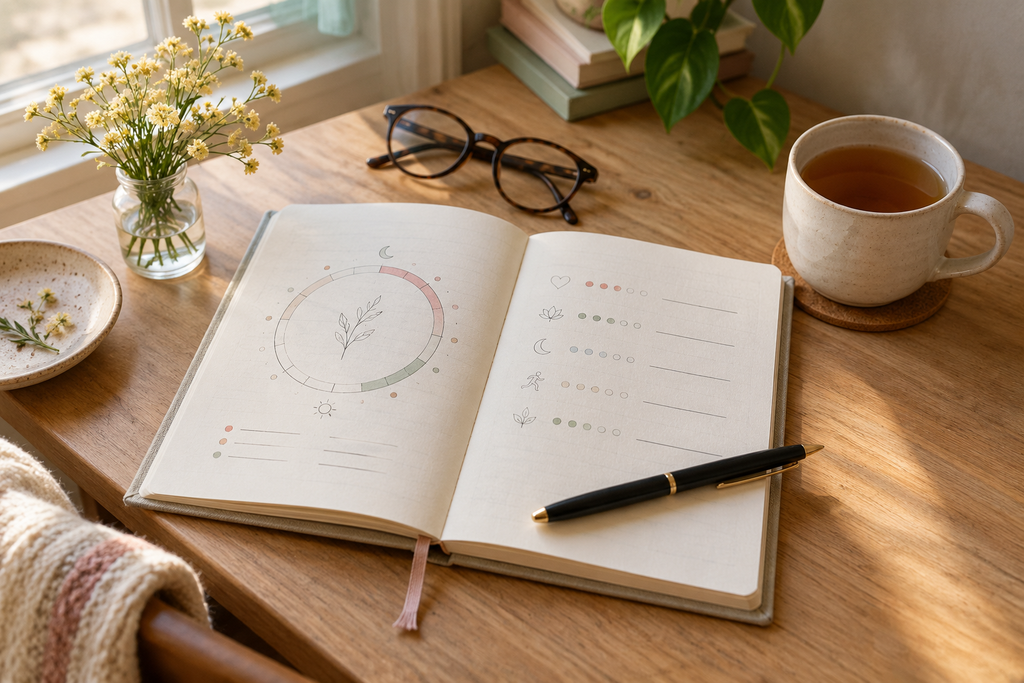
Track your symptoms, notice their timing and take meaningful changes seriously. The best approach is neither “it is all hormonal” nor “it must be a deficiency.” Sometimes hormonal changes and another health issue are present at the same time.
Educational notice: This article is for general educational purposes only and does not provide individual medical advice, diagnosis or treatment. Do not begin iron or high-dose vitamin supplementation without appropriate professional guidance.
With Love
Sonata x
A little note: Some links in this article are affiliate links. As an independent Zinzino Partner, I may receive a small commission if you choose to purchase through them, at no additional cost to you. I only share products that I personally use, trust or believe may be relevant to the topic.